

What Nigerian Business Owners Need to Know Now
As Nigeria prepares for significant tax reforms in 2026, many businesses are asking the same question:
“Are we ready?”
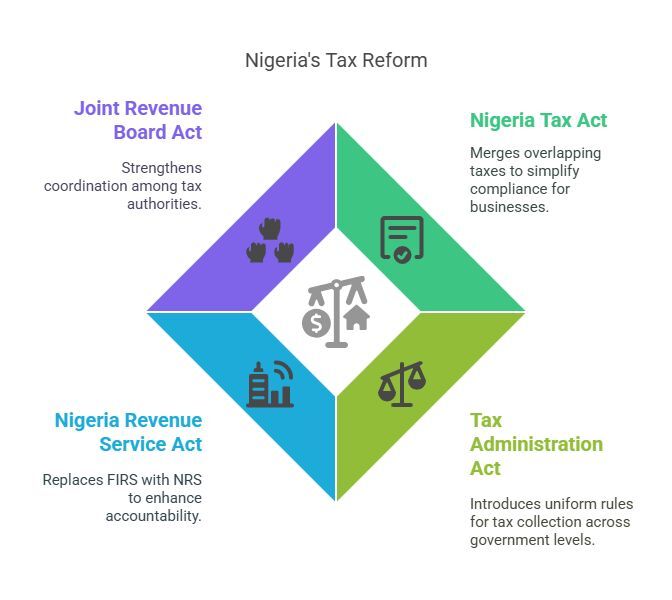
The upcoming changes to Nigeria’s tax system — driven by government revenue needs, digitalisation, and global compliance standards — will affect small businesses, large companies, self-employed professionals, and startups alike.
At Faturoti Taiwo & Co., we are already helping clients prepare for these adjustments so they remain compliant, avoid penalties, and continue to grow confidently in 2026 and beyond.
This article breaks down what Nigerian businesses should expect and how to prepare now, not later.
Why New Tax Laws Are Coming in 2026
The Federal Inland Revenue Service (FIRS) and state tax authorities have already signaled plans to:
- Increase digital tax administration
- Tighten compliance monitoring
- Improve revenue generation
- Align local laws with international best practices
While the full details will be released in phases, businesses should anticipate stricter compliance, more audits, and heavier enforcement.
Key Areas Likely to Change by 2026
Based on recent federal directives, Finance Acts, and FIRS’ digital strategy, Nigerian businesses should expect reforms in the following areas:
1. Stricter Tax Filing Requirements
Businesses should expect:
✔ More detailed documentation
✔ Mandatory e-filing for more categories
✔ Automated reconciliation of tax payments
✔ Stricter penalties for misreporting
Failure to comply will become more expensive — especially for SMEs that delay filings.
2. Increased Monitoring Through Digital Tools
FIRS has already rolled out technologies like:
- TaxPro Max
- e-TCC verification
- Automated VAT collection for select industries
By 2026, businesses should expect:
✔ More real-time monitoring
✔ Cross-checking of banking data
✔ Tighter control over VAT and PAYE
Manual record-keeping will simply no longer be enough.
New Penalties for Late Payment and Non-Compliance
Government revenue targets mean enforcement will be stricter.
Common areas where penalties may rise:
- Late VAT submissions
- Late Company Income Tax (CIT) filing
- PAYE under-deductions
- Withholding tax omissions
Penalties may become daily or weekly rather than flat fees.
Changes to SME Tax Requirements
The government may adjust:
- Thresholds for small company tax
- VAT exemptions
- Start-up incentives
- Digital business taxation
SMEs must plan ahead to avoid surprises.
Greater Emphasis on Transparency and Documentation
Moving forward, expect strict demands for:
✔ Receipts and invoices
✔ Payroll records
✔ Contract agreements
✔ Financial statements
✔ VAT and withholding tax schedules
Proper documentation will be non-negotiable.
How Nigerian Businesses Should Prepare for 2026 (Action Steps)
Here are practical steps every business should take now:
1. Update Your Accounting System
Switch from manual records to a digital record-keeping system.
Use tools like:
- QuickBooks
- Zoho Books
- Sage
- Odoo
This ensures compliance with FIRS automation.
2. Conduct a Tax Health Check
A tax audit simulation will help you identify:
- Unfiled returns
- Past errors
- Hidden liabilities
- Missing documentation
Faturoti Taiwo & Co. can run this for you before FIRS does.
3. Ensure All Taxes Are Up-to-Date
This includes:
✔ VAT
✔ PAYE
✔ Company Income Tax
✔ Withholding Tax
✔ Capital Gains Tax
✔ Personal Income Tax
If you’re behind, fix it now — penalties may increase in 2026.
4. Separate Personal and Business Finances
Many businesses get into trouble because their finances are mixed.
Open a dedicated business account and keep your records clean.
5. Improve Payroll Compliance
Ensure:
- Correct PAYE deductions
- Timely monthly remittances
- Accurate employee records
Payroll errors are one of the easiest ways to attract penalties.
6. Work With a Professional Accountant
As tax laws become stricter, DIY accounting becomes riskier.
An experienced accountant will help you:
✔ Stay compliant
✔ Save on taxes legally
✔ Prepare for new regulations
✔ Avoid penalties
✔ Maintain proper records
How Faturoti Taiwo & Co. Helps You Prepare for 2026
We offer professional services designed to keep your business safe, compliant, and tax-efficient, including:
- Tax advisory & planning
- Bookkeeping & financial reporting
- Tax filings (CIT, VAT, PAYE, WHT, PIT)
- Payroll management
- Accounting system setup
- FIRS & State revenue compliance
- Audit support
- SME financial guidance
With us, you won’t be caught unprepared.
2026 will bring stricter tax laws, tighter compliance, and more digital monitoring.
The biggest mistake Nigerian businesses can make is waiting until changes take effect.
Start preparing now.
With expert support from Faturoti Taiwo & Co., you can stay compliant, avoid penalties, and position your business for growth — no matter what changes come.
Need help preparing for the new tax laws?
We’re here to assist.